The Most Important Gift
Run passionately in the direction of your dreams.
My eldest daughter is beginning the college application process. As a mother, this makes me nostalgic for the days when she was a little girl. It’s a cliche, but time really does seem to fly. While it’s easy to enjoy the memories of the past, markers like this force us to think about the future. And currently in our house, talk about college is bringing on a new kind of anxiety. College applications are more complex than ever, and tests, essays, and interviews are the microscopes that powerful gatekeepers use to evaluate what they consider to be all of a person’s ambition and academic strengths. Often students are asked, “what do you want to do with your life?” This can be a lot of pressure for a teenager – or anyone else.
I started thinking about the significance of knowing what one wants to do in life. Some prefer life to be a whirlwind adventure full of twists, turns, and surprises. But for others, having a clear vision of the path you want to travel in life is essential. These people prefer to have a compass – a “true north” that leads them to a desirable destination.
I tend to be one of those people that prefer the compass. And for me, I have discovered that finding happiness and success greatly depends on understanding one’s SELF and figuring out the direction in which one should grow. A big part of this is discovering your own unique “gifts” or what you’re good at. We all have unique talents that, when we use them, we feel the greatest satisfaction and fulfillment.



Unfortunately, college admissions usually consider only a few types of gifts a person may have. Howard Gardner, an influential American psychologist, helps us to understand what these gifts really are. He calls them “Multiple Intelligences” and suggests that there are different categories of natural abilities including (but not limited to) math, english, and the sciences. According to Gardner, there are nine main categories including musical-rhythmic, visual-spatial, verbal-linguistic, logical-mathematical, bodily-kinesthetic, interpersonal, intrapersonal, naturalistic, and teaching-pedagogical.
For me, this is so encouraging. So often we worry that if we are not good at what mainstream culture thinks we should be judged by, that we’re not intelligent. But that’s not the case at all. We might just fall into a different, lesser-known category. It’s up to us to uncover our gifts.
Cooking, which is an extension of the naturalistic intelligence, always came easy for me. It never felt like a chore like my high school math homework did. I was always eager to learn more about the ingredients, flavor profiles, and new recipes. Even today, I see how cooking requires a certain type of understanding; you must be creative, a problem solver, resilient, and understand how different elements work together.
Finding that amazing thing that you’re both passionate about and good at is a process of trial and error. Making an honest list of all of your strengths is a good place to start. Maybe you’re super-organized. Maybe you’re a social person who is easy to talk to. Maybe you’re great at math. Having this list will help narrow down what hobbies, jobs, or vocations are for you. And once you find that thing, you will be free to run passionately in the direction of your dreams.
Life Recipe:
Finding Your gifts
Lunch Recipe:
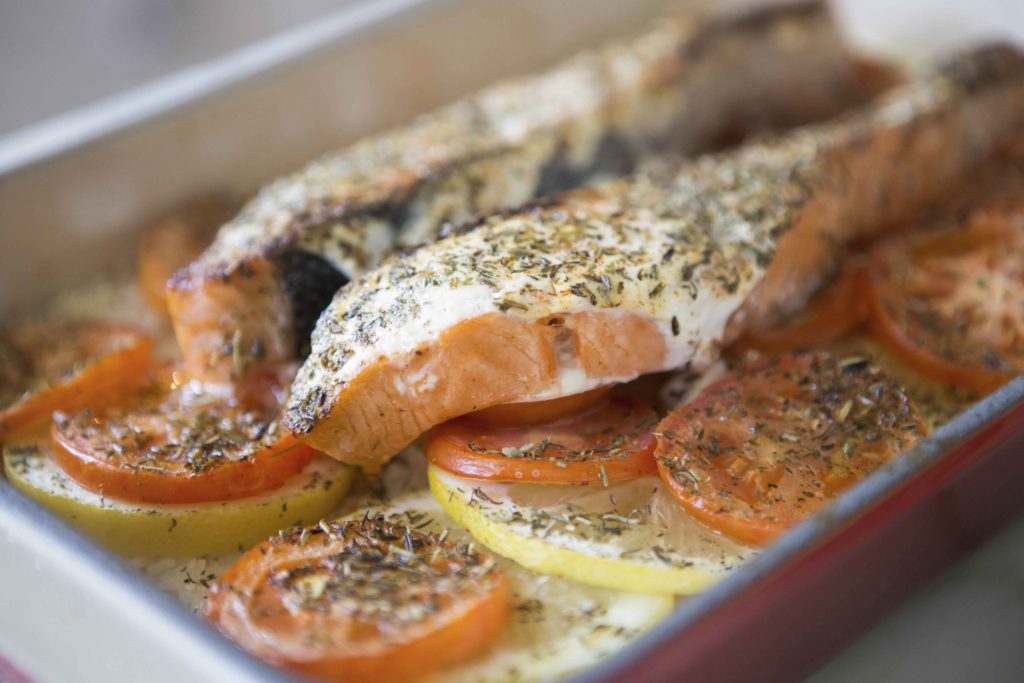
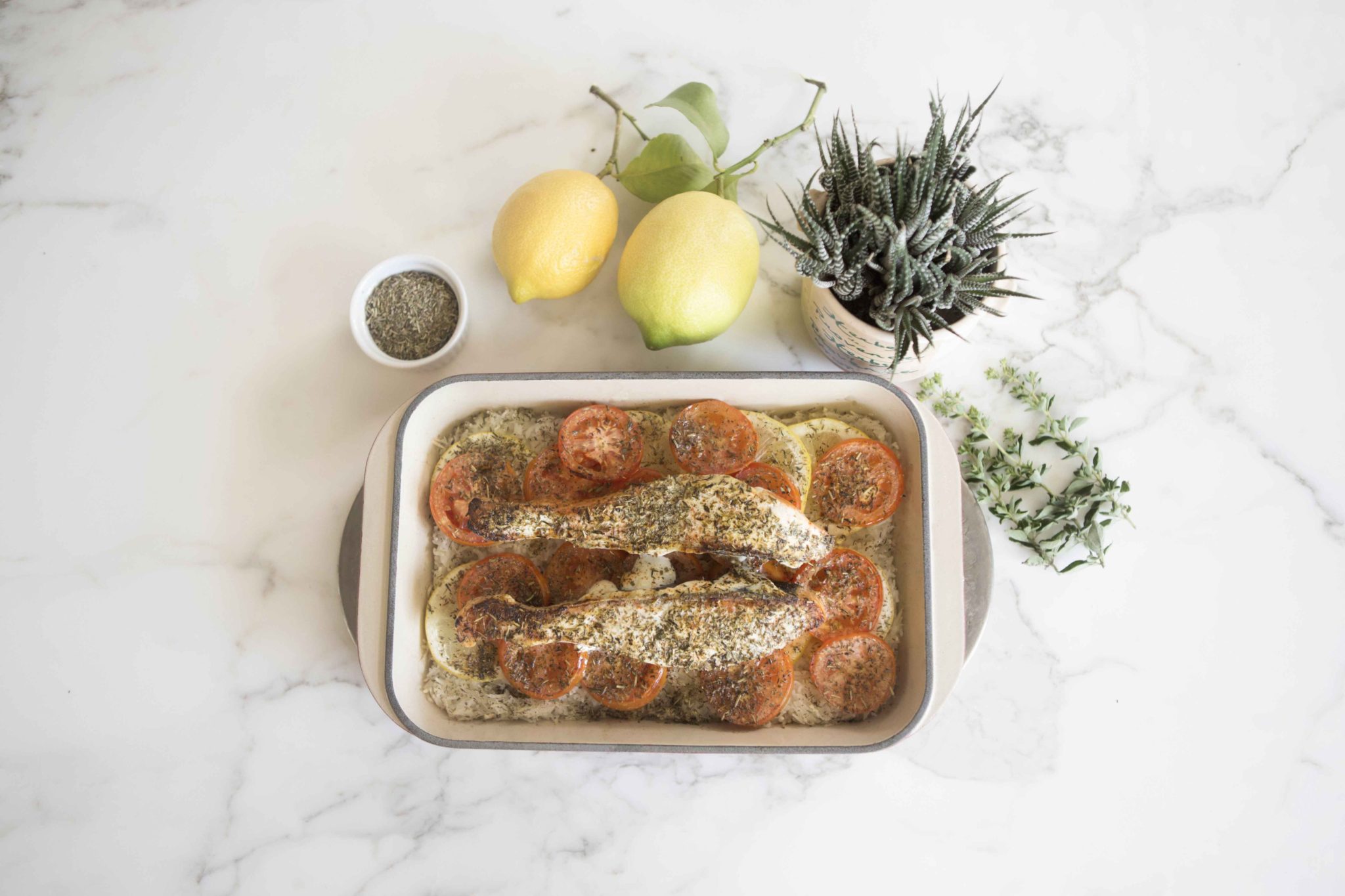
Baked Salmon
- 2 6 ounce filets of fresh salmon (not farmed)
- 2 tbsp sour cream
- 3 tomatoes (sliced)
- 2 lemon (sliced, remove seeds)
- 2 tbsp lemon juice
- 1 tbsp herbs de Provence
- 1 cup of rice (cooked)
- Chili powder to taste
- Fresh ground pepper
- Salt (to taste)
- Avocado oil
Instructions
Drizzle oil on the bottom of a baking dish.
Add in rice and spread.
Add in lemon slices and cover the rice.
Next, add tomato slices on top of the lemons.
Sprinkle with salt.
Add fresh ground pepper.
Add in salmon fillets.
Sprinkle with salt and pepper.
Add chili powder.
Add sour cream on top of the filets.
Sprinkle herb de Provence over dish.
Bake at 450 degrees for 12-15 minutes.
Serve on a bed of rice.


